
 My winning photo: Sanderling
You can order the calendar online by visiting the GCT's website. All profits from the sale of these items will go towards conservation in Galapagos
 My winning photo: Sanderling


 I now feel a pang of guilt. I was one of those tourists, having been my dream for years to visit the Islands. My experience of tourism in the Galapagos was generally very positive. The guides were very clear as to how we should act - pulling people back if they strayed from the paths or too near the animals, making sure that only one or two boats visited an Island at any one point. It certainly didn't seem very touristy. Many of the Islands remain uninhabited, no shops, no cash points, no restaurants. We were hosed down every time we returned to the boat to ensure we didn't carry anything between the Islands
 and given talks on preservation and the impact of people, how measures were in place to ensure they were protected. Eco-education was the aim of this trip. But the figures are there: a four-fold increase in visitors in the last 20 years, and most worryingly an increase from 112 recorded alien species in 1900 to over 1,300 today. The aircraft cabins are sprayed before landing on Baltra but evidently some insects are getting through and causing havoc.
 I made a dead wood stick pile in the garden at the weekend to entice friendly creepy crawlies. I think the sticks may be too small (just taken from some dead branches from part of a tree I hacked down), it's certainly not big enough to house a hedgehog, but hopefully some hoverflies, beetles and the odd bumble bee will move in to eat the bad insects.
 of the world's largest telescope. He proposes to put a giant glass sunshade in space which will deflect a small percentage of the sun's rays back into space. Giving the planet some sunglasses so to speak. Alongside him we have the winner of the Nobel Prize for chemistry for discovering the causes of the hole in the ozone layer; Dutch Professor Paul Crutzen. Crutzen suggests that we duplicate the effects of volcanic eruptions and create a man-made sulphur screen around the earth by firing hundreds of rockets loaded with tons of sulphur into the stratosphere. Potentially causing some acid rain and more holes in the ozone layer, but never the less effective in reducing temperatures. Also in the “Block Sun” corner we have a rather more environmentally friendly solution. British atmospheric physicist Professor John Latham and engineer Stephen Salter have designed a fleet of remote-controlled yachts. Which would would pump fine particles of sea water into the clouds, increasing the thickness and “shinyness” of the clouds thus reflecting the sun's rays.
 and absorb carbon dioxide from the air. And on a similar note we have New York-based Professor Klaus Lackner who has designed a machine to capture carbon dioxide. His plan is to locate them across the globe where they would suck in carbon dioxide, turning it into a powder. The plan is to then bury the carbon dioxide deep under the ocean in disused oil or gas fields.
 One thing that being part of the Flickr community has made me want to do is see more of the world. As I browse through the photos I mentally note down the beautiful places I wish to see with my own eyes, or the communities of people I want to try and understand. I have always loved travelling and I have been to some wonderful countries (Kenya, Tanzania, Malaysia, Egypt...), more than most perhaps, but they are just a few grains of sand in the Ecultural melting pot that is Planet earth. I do truely believe that it is a serious disadvantage not to be able to travel the world - experience worlds far removed and alien to our own. We make the cities and the streets that we traverse everyday our world; there is so much more to see, to understand, to shake up our micro perspectives. So many parts of the world are becoming inaccessible to us, places my Grandfather still tells me stories of - how I would love to float on the dead sea, see the wailing wall in Jerusulum, The Al Kadhimain Mosque in Bahgdad, Libya's deserts and Leptis Magna. It's likely that they will just remain stories. It's frustrating as I particularly like travelling in Muslim countries and communities, but now I have to think twice - even Egypt and Turkey come with a great big warning sign slapped across them. God I get so bored of the English. True there are some fantastic places to visit in the UK, places which give you an "experience" but it is just not the culture shock and mind altering thump that I crave. In the UK I go on holiday, the rest of the world I travel.
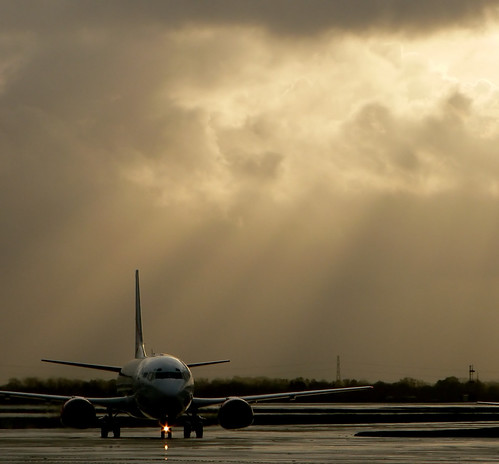 And of course there is the pollution issue. Sustainable travel is difficult. There are so many places I would give anything to see, anything other than my footprint (or carbon print) on that place.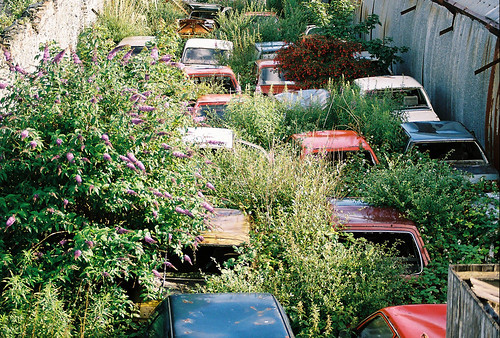
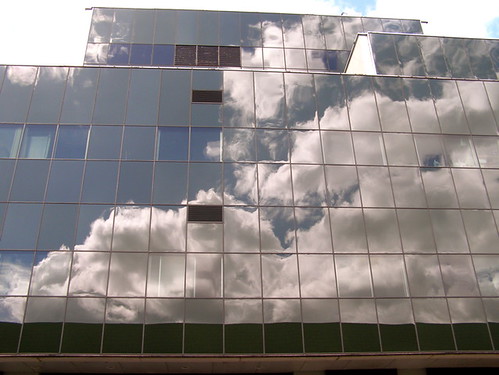
 There are some things that a picture just can not do justice to. The enormousity and depths of the rainforst is one of these things. Pictures just can not capture the sounds, the smells and visual sensations of the jungle, it is one of those things that one could term sublime, awe inspiring.
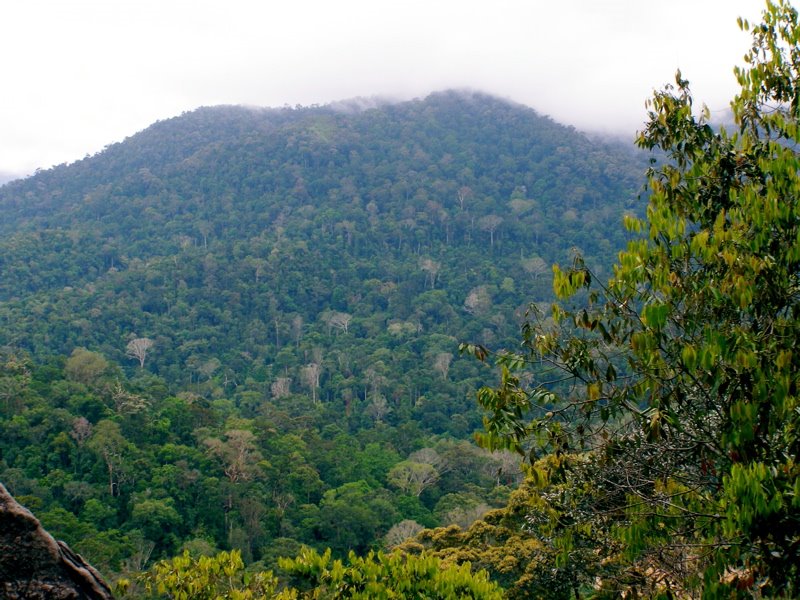 I was sat on the other side of the Tamen Negara looking at this wonderful expanse of rainforest. My guide told me that all of the land on that side of the river had been bought by a palm oil company. Within 5 years there would be no rainforest there at all.


 Posts
All Comments
Posts
All Comments


